Administrative Work, Clear Boundaries
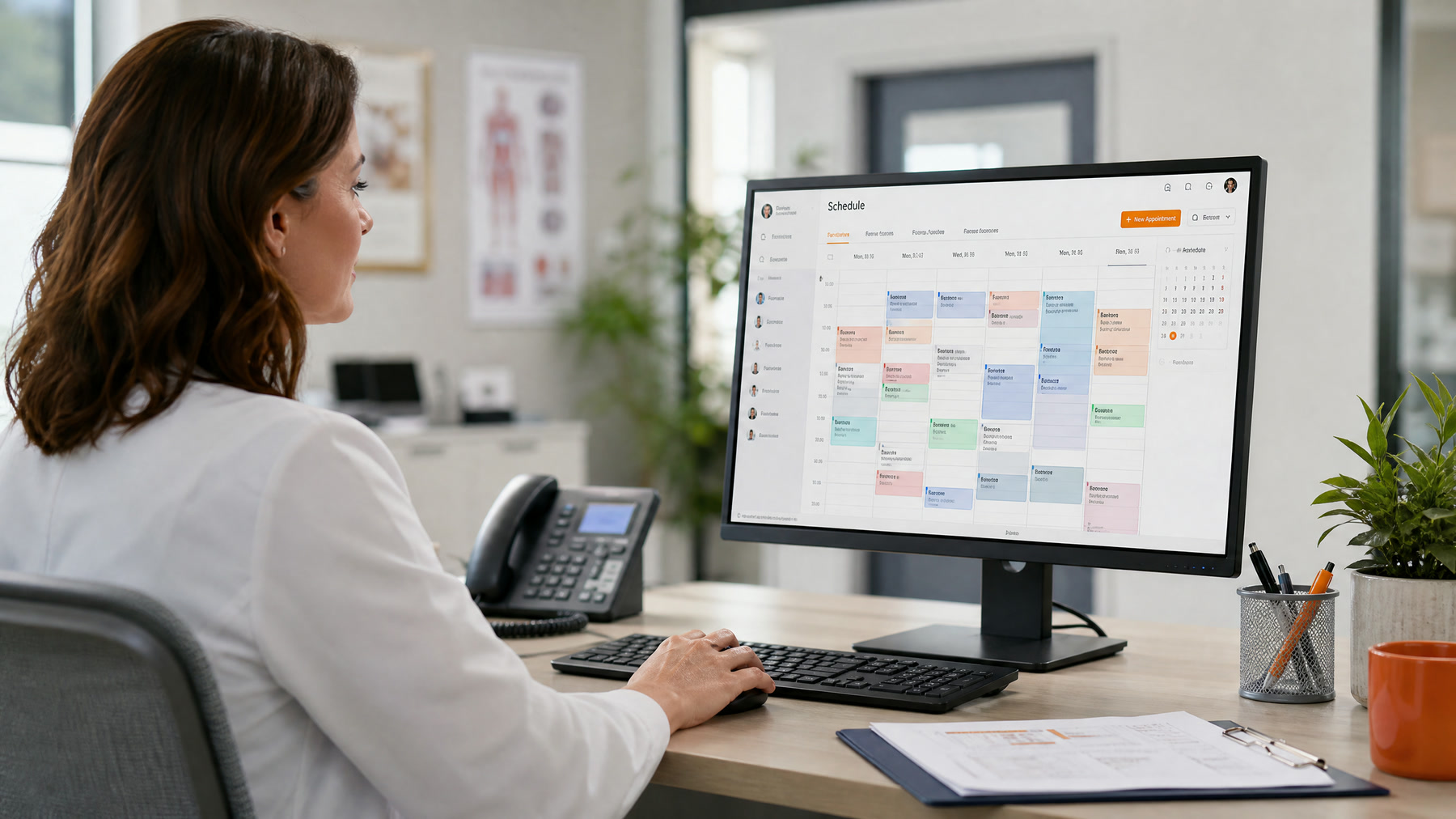
Healthcare practices have plenty of repetitive, time-sensitive administrative work: phones, scheduling, reminders, intake, and routing. AI can take much of it on, as long as the workflow is designed around privacy and clear escalation, and never around clinical decision-making.
What AI Can Handle
| Administrative task | What AI does |
|---|---|
| Phone answering | Answers calls, identifies the reason, and routes or books |
| Scheduling | Books, reschedules, and cancels routine visit types |
| Reminders | Confirms appointments by text or call, offers rescheduling |
| Intake | Collects demographics and insurance details before a visit |
| Routine questions | Hours, locations, parking, accepted insurance, preparation instructions |
| Call summaries | Writes notes for staff on every call |
| Refill and records requests | Captures the request and routes it to staff |
What AI Must Not Do
- Diagnose, interpret symptoms, or decide clinical urgency
- Give medication or treatment advice
- Share test results
- Handle emergencies other than directing the caller to 911
When a caller describes symptoms, the agent should route them to clinical staff or the nurse line, and for anything that sounds like an emergency, tell them to hang up and call 911.
HIPAA Basics for AI Projects
- Business associate agreements: any vendor that creates, receives, stores, or transmits protected health information for you, including voice AI platforms, AI model providers, and the agency building the system, needs a BAA.
- Minimum necessary: collect and share only the information each step requires.
- Identity verification: verify patients before discussing their appointments or records.
- Voicemails and reminders: HHS guidance allows appointment reminders on answering machines, but suggests limiting the information left, such as the practice name and a callback number.
- Access and retention: control who can read transcripts, and delete them on a set schedule.
Our HIPAA-compliant AI receptionist guide covers these in detail.
A Safe First Project
Start with a non-clinical workflow:
- Appointment requests and scheduling for routine visit types
- Reminders with rescheduling to reduce no-shows
- After-hours answering that takes messages and routes urgent calls to the on-call provider
Each is valuable, easy to measure, and keeps clinical decisions with clinicians. See voice AI for healthcare clinics and the clinic booking case study.
Test Every Escalation Path
Before launch, test calls that mention chest pain, a medication reaction, a billing dispute, a request for records, and a patient who simply wants a person. Each should reach the right place quickly, and staff should receive a summary so the patient does not repeat sensitive details.
How to Measure It
- Calls answered and time to answer
- Appointment requests completed by AI
- No-show and confirmation rates
- Front-desk time saved
- Escalation accuracy
- Privacy incidents (target: zero)
Bottom Line
AI can take a real load off healthcare front desks when it stays administrative, follows HIPAA, and escalates anything clinical immediately. Start with scheduling or reminders, get BAAs from every vendor, and test escalations thoroughly. See our pages for healthcare clinics and dental practices.
Official documentation
Platform capabilities and implementation details can change. These official references help readers verify the guidance in this article.
- Business Associates from U.S. Department of Health and Human Services
- Minimum Necessary Requirement from U.S. Department of Health and Human Services
- May physician's offices or pharmacists leave messages for patients at their homes? (FAQ 198) from U.S. Department of Health and Human Services