Two Different Jobs
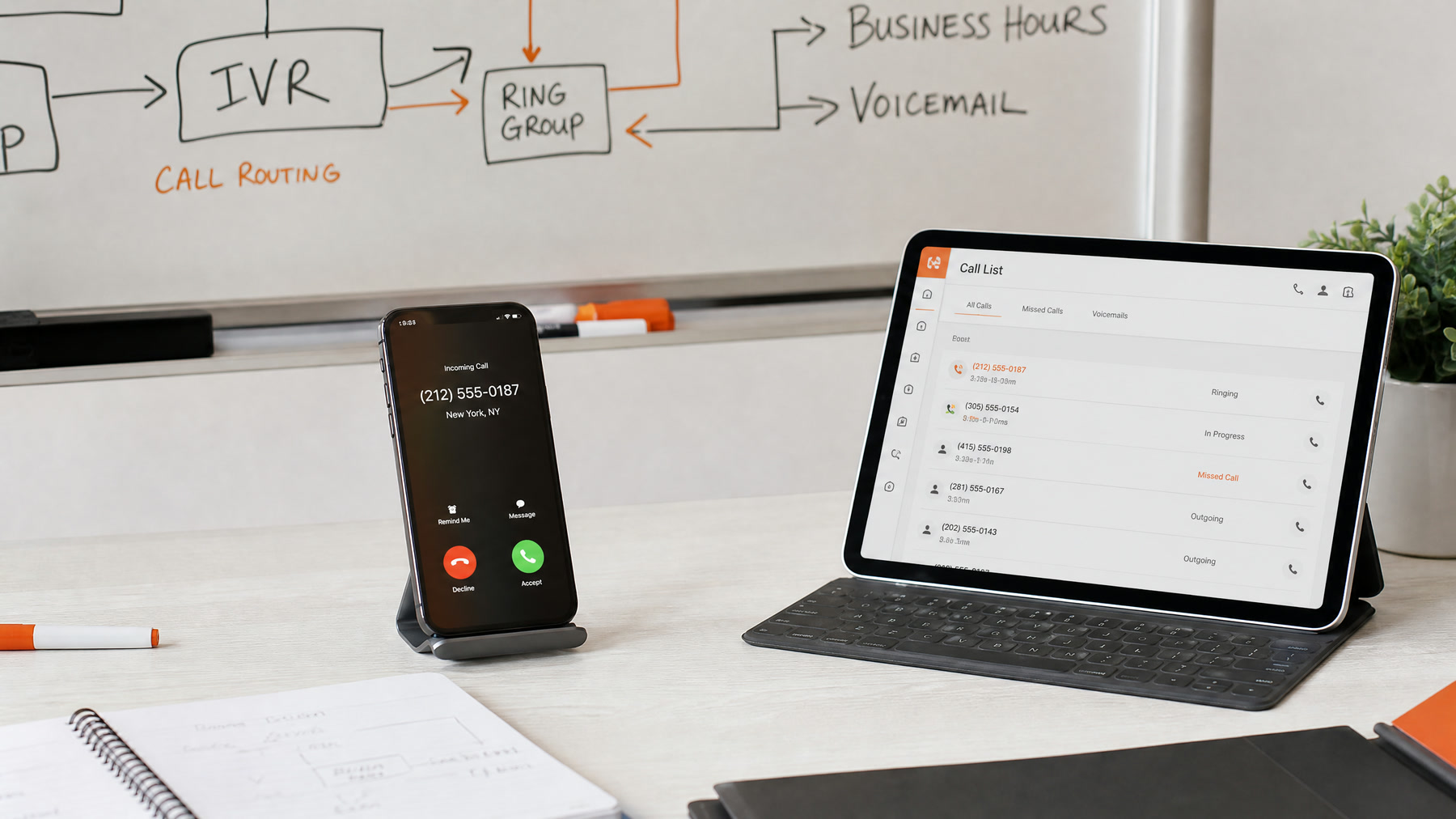
Inbound voice AI answers calls that come to your business. Outbound voice AI starts conversations with leads, customers, or patients. Both use the same core technology, but the strategy, scripts, legal requirements, and success metrics are different.
Inbound Voice AI
Inbound agents answer:
- Missed, overflow, and after-hours calls
- Appointment booking and rescheduling
- FAQs about hours, services, and pricing ranges
- Intake and lead qualification
- Call routing to the right person
- Support triage and status questions
The goal is to respond instantly and capture demand that already exists. The caller chose to call you, so intent is high. Our AI receptionist service is built around this.
Outbound Voice AI
Outbound agents call or text from a defined list:
- Callbacks to missed callers
- Speed-to-lead calls to new web form leads
- Appointment reminders and confirmations
- Recall and reactivation campaigns
- Quote and estimate follow-up
- Customer check-ins and surveys
The goal is to create or recover conversations. See outbound AI voice campaigns.
The Key Differences
| Factor | Inbound | Outbound |
|---|---|---|
| Who starts the call | The customer | Your business |
| Intent | High, they called you | Varies with list quality |
| Main legal concern | Recording disclosure, privacy | TCPA consent, calling hours, do-not-call |
| Script focus | Understand and resolve quickly | Explain why you are calling, earn the next step |
| Key metric | Calls answered and booked | Contact rate and conversions |
| Risk if done badly | Frustrated callers | Complaints, lawsuits, brand damage |
Compliance Is the Biggest Difference
In the US, the Telephone Consumer Protection Act governs calls your business places. In 2024 the FCC confirmed that AI-generated voices count as "artificial" voices, so outbound AI calls need the right consent: generally prior express consent for informational calls and prior express written consent for telemarketing. Calls must respect calling hours, identify your business, and honor opt-outs. Read our full guide to AI voice calls and the TCPA.
Inbound agents are not placing calls, so those consent rules are not the main concern, but recording disclosures still apply. See call recording consent laws by state.
Script Differences
Inbound scripts should get to the point: identify the business, disclose the AI assistant, ask how to help, and move quickly to booking or routing.
Outbound scripts need to establish context in the first seconds: who is calling, why, and what the person gets out of the call, followed by an easy way to opt out. Callers who did not expect the call are less patient, so outbound scripts must be shorter and more specific.
Which Should You Build First?
Most businesses should start inbound. It captures demand you are already paying for, it is easier to prove, and it carries less legal risk. Once inbound works, add outbound where consent is clear and value is high: missed-call callbacks, instant follow-up to web leads, and reminders for booked appointments.
Running Both Together
The strongest setups connect the two. An inbound agent that misses a booking can trigger a follow-up text; a lead that does not answer an outbound call can call back and reach an inbound agent that already knows the context. Both should write to the same CRM so your team sees one history per customer.
Bottom Line
Inbound voice AI protects the demand you already have; outbound voice AI recovers and creates conversations. Start inbound, add outbound with documented consent, and measure both on booked outcomes. Explore our AI voice agent services to see how we build them.